
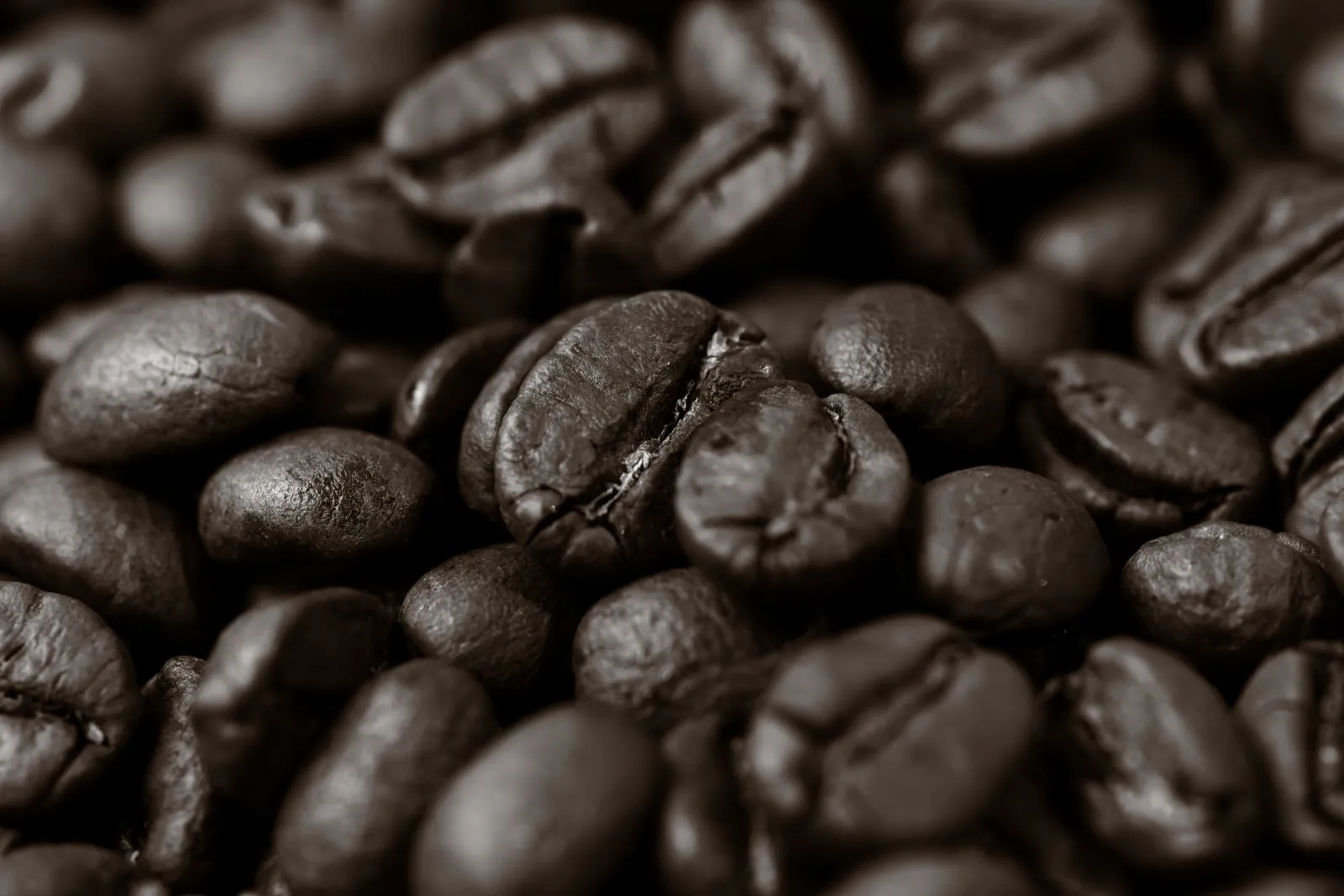
Choosing coffee by roast level is a simple way to narrow your options. Roast describes how long and how intensely the beans were heated, which changes their flavor, aroma, and feel in the cup. It does not tell you everything about a coffee: the bean’s origin and processing also matter. Still, understanding light, medium, and dark roasts can help you find a starting point—and explain what you enjoy when you try something new.
What roast level changes
As coffee roasts, heat transforms the bean’s natural compounds and develops new aromas. A shorter roast generally preserves more of the bean’s original character, while a longer roast brings forward flavors created during roasting. Roast level can also affect color, aroma, and body, but it is only one part of the coffee’s overall taste.
The same roast label can taste different from one coffee to another. A light roast from one origin might taste floral, while another may remind you of citrus or berries. Brewing method, grind size, water, and freshness influence the result too. Treat roast labels as a useful guide, not a guarantee of one exact flavor.
Light roasts: bright and distinct
Light roasts are usually pale brown and often have a brighter, more noticeable acidity. Depending on the beans, you may pick out fruit, floral, tea-like, or delicate sweet notes. They tend to retain more of the coffee’s origin character, making them a good choice if you like a lively cup with flavors that stand apart.
Try a light roast if you enjoy tasting differences between coffees or prefer a cleaner, lighter-feeling brew. Pour-over methods can make those details easy to notice, but you do not need special equipment to explore one. Brew it as you normally would, then adjust the grind or brewing time if the cup tastes sharply sour or thin.
Medium roasts: balanced and versatile
Medium roasts sit between light and dark in color and flavor. They often balance some of the bean’s original character with sweetness and flavors developed during roasting, such as caramel, chocolate, or nuts. Their body and acidity can feel moderate, though the exact balance depends on the coffee and how you brew it.
If you are unsure where to start, choose a medium roast. It works well in many brewing methods and is often approachable both black and with milk. Pay attention to what you like: perhaps it is the sweetness, the smoother feel, or the way the coffee pairs with breakfast. Those clues can guide your next choice.
Dark roasts: bold and roasty
Dark roasts are roasted longer, producing darker beans and more pronounced roast flavors. You may notice cocoa, toasted nuts, smoke, or a bittersweet finish. The coffee can feel fuller-bodied, and the bean’s more delicate origin notes may be less prominent. Dark does not automatically mean stronger in caffeine; roast level mainly describes flavor and appearance.
Choose a dark roast if you like a bold, familiar cup, especially with milk or in preparations where the coffee flavor needs to come through. If it tastes bitter or burnt to you, try brewing with slightly cooler water or a coarser grind, or move to a medium roast. Small adjustments can make a cup taste more balanced.
For an easy first comparison, brew a medium roast alongside either a light or dark roast using the same method. Notice acidity, sweetness, body, and finish rather than searching for a perfect tasting note. North Loop Coffee in Minneapolis can help you explore roast options; ask what suits your preferred brewing style.